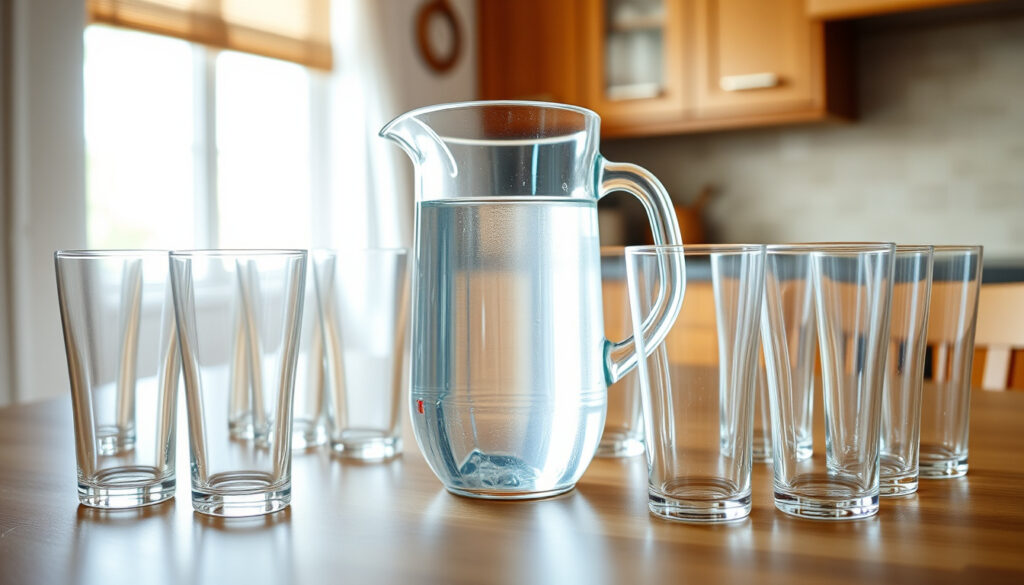
How Much Water Should I Drink a Day – Expert Daily Guidelines
How Much Water Should You Drink a Day?
Staying properly hydrated is one of the fundamental pillars of good health, yet the question of exactly how much water each person needs remains surprisingly complex. Daily water intake recommendations vary significantly depending on body weight, sex, activity level, and environmental factors. There is no universal amount that works for everyone, which is why guidelines from health authorities typically provide ranges rather than fixed numbers.
According to the Mayo Clinic and the Academy of Nutrition and Dietetics, healthy adults should aim for approximately 11.5 cups (2.7 liters) of total fluid per day for women and 15.5 cups (3.7 liters) for men. These figures include water obtained from food and all beverages combined. Roughly 20 percent of daily fluid intake typically comes from food sources such as fruits and vegetables.
Understanding your personal hydration needs involves considering factors beyond basic recommendations. Body size, climate, physical activity, pregnancy status, and overall health all influence how much water you should drink each day.
Most health organizations agree that adult women need about 2.7 liters and adult men need about 3.7 liters of total daily fluid intake when including moisture from food. Individual needs may vary substantially based on personal factors.
How Much Water Should You Drink Each Day?
Quick Reference Overview
| Category | Amount | Notes |
|---|---|---|
| Adult Women | 2.7 liters (11.5 cups) | Including food moisture |
| Adult Men | 3.7 liters (15.5 cups) | Including food moisture |
| Beverages Only (Women) | Approximately 9 cups | Excluding food sources |
| Beverages Only (Men) | Approximately 13 cups | Excluding food sources |
Key Insights to Remember
- Total fluid intake includes water from all beverages and food sources combined
- Individual hydration needs differ based on body weight, activity level, and climate
- The popular “8 glasses a day” rule originated for people weighing around 128 pounds and does not account for larger bodies or active lifestyles
- Thirst and urine color serve as practical personal indicators of hydration status
- Pregnant and breastfeeding women require additional fluid intake of 24 to 32 ounces above standard recommendations
- Alcohol acts as a diuretic and increases fluid needs
Comparing Authority Guidelines
| Source | Women Daily | Men Daily | Notes |
|---|---|---|---|
| Mayo Clinic | 11.5 cups (2.7L) | 15.5 cups (3.7L) | Includes all fluid sources |
| Academy of Nutrition | 11.5 cups | 15.5 cups | About 20% from food |
| Cleveland Clinic | 73 oz (9 cups) | 100 oz (12.5 cups) | Beverages only; adjust for activity |
| NHS (UK) | 6-8 cups | 6-8 cups | General guide; pale urine target |
| Harvard/MD Anderson | 11.5 cups | 15.5 cups (3.7L) | For general healthy adults |
How Much Water Based on Weight and Activity?
Weight-based calculations offer a more personalized approach to determining daily water intake. Several formulas exist, each with different approaches to estimating individual needs.
Weight-Based Formulas
Three commonly cited calculation methods provide different results:
- 1 ounce per 2 pounds of body weight: A person weighing 150 pounds would aim for 75 ounces daily
- Two-thirds of body weight in ounces: A 190-pound person would target 127 ounces
- Half of body weight in ounces: A 160-pound person would drink 80 ounces as a baseline
These variations highlight why no single formula works universally. Factors such as muscle mass, metabolic rate, and body composition influence individual hydration requirements.
Weight-to-Ounces Reference Table
| Weight (pounds) | 1 oz per 2 lbs | 2/3 of body weight | 1/2 of body weight |
|---|---|---|---|
| 120 | 60 oz | 80 oz | 60 oz |
| 150 | 75 oz | 100 oz | 75 oz |
| 180 | 90 oz | 121 oz | 90 oz |
| 200 | 100 oz | 134 oz | 100 oz |
Exercise and Activity Adjustments
Physical activity significantly increases water loss through sweat, requiring additional fluid intake to maintain hydration balance. The Cleveland Clinic recommends adding 12 ounces of water for every 30 minutes of exercise. A 45-minute workout would therefore require an additional 18 ounces beyond baseline needs.
Environmental factors also play a crucial role. Hot weather, high altitude, and humid conditions all increase fluid losses and warrant higher intake. Workers in physically demanding jobs or those spending extended time outdoors should monitor their hydration more closely.
For every 30 minutes of exercise, add approximately 12 ounces of water. During hot weather or intense physical labor, increase intake further. Drink water before, during, and after workouts rather than waiting until thirst develops.
Do Coffee and Tea Count Toward Water Intake?
Caffeinated beverages such as coffee and tea do contribute to daily fluid intake, though with some caveats. Research indicates that the mild diuretic effect of caffeine is generally offset by the water content in these drinks for most healthy adults.
The University of Missouri System wellness guidelines note that while caffeinated drinks provide hydration, water should remain the primary beverage choice for optimal fluid balance. The diuretic effect becomes more pronounced with very high caffeine consumption.
What Counts Toward Daily Hydration?
- Water: The most effective hydrating beverage with no limiting factors
- Herbal tea: Caffeine-free options provide hydration without diuretic effects
- Regular tea and coffee: Contribute to hydration but should not replace water as primary sources
- Fruits and vegetables: Provide significant moisture; cucumbers, watermelon, and oranges are particularly hydrating
- Milk: Provides hydration along with nutrients; sports recovery benefits documented
Food sources contribute roughly 20 percent of daily fluid intake according to the Academy of Nutrition and Dietetics. Water-rich foods like soups, salads, and fresh produce complement beverage intake effectively.
Signs You’re Not Drinking Enough Water
Dehydration develops gradually, and early recognition of symptoms helps prevent more serious complications. The body signals inadequate hydration through several observable changes.
Common Warning Signs
- Increased thirst and dry mouth sensation
- Dark-colored urine or reduced urination frequency
- Fatigue and persistent tiredness unrelated to activity
- Headaches and difficulty concentrating
- Dizziness or lightheadedness, particularly when standing
- Dry skin and reduced elasticity
Severe dehydration presents more serious symptoms including confusion, rapid heartbeat, sunken eyes, and in extreme cases, loss of consciousness. These symptoms require immediate medical attention, particularly in young children, elderly individuals, or those with underlying health conditions.
Confusion, rapid heartbeat, and sunken eyes indicate severe fluid loss requiring medical attention. Infants, older adults, and people with chronic illnesses face higher risk of serious complications from inadequate hydration.
Can You Drink Too Much Water?
While uncommon, excessive water intake can lead to hyponatremia, a condition where blood sodium becomes dangerously diluted. Mayo Clinic notes that this condition typically occurs during extreme overdrinking, particularly during endurance events without electrolyte replacement. Symptoms include nausea, headache, confusion, and in severe cases, seizures.
No One-Size-Fits-All: Factors to Consider
Individual hydration needs vary substantially, and several personal factors influence how much water you should drink daily.
| Established Information | Information That Varies |
|---|---|
| General guidelines exist for population averages | Exact needs depend on individual metabolism |
| Exercise increases fluid requirements | Specific amounts vary by intensity and duration |
| Pregnancy requires increased intake | Optimal amount varies by individual |
| Hot weather increases losses | Adjustment amount depends on climate and clothing |
| Urine color indicates hydration status | Individual baseline varies |
Consulting a healthcare provider is advisable for those with specific medical conditions, pregnant or breastfeeding women, athletes training at high intensity, and individuals taking medications that affect fluid balance or kidney function.
Why Hydration Matters and Common Myths
Proper hydration supports numerous bodily functions including temperature regulation, nutrient transport, joint lubrication, and waste elimination. Water also plays a role in maintaining blood pressure and supporting cognitive function.
One persistent myth suggests that everyone should drink eight 8-ounce glasses of water daily. This “8×8 rule” originated from early nutrition guidance for people weighing approximately 128 pounds and does not account for the substantial variation in body sizes and activity levels among adults.
The NHS suggests 6 to 8 cups of fluid daily as a general guide, with pale yellow urine indicating adequate hydration. This simpler approach aligns with expert consensus that thirst remains a reliable indicator for most healthy individuals.
Hydration and Weight Management
Research published by the Mayo Clinic indicates that replacing sugary beverages with water can support weight loss efforts by increasing feelings of fullness and reducing overall calorie intake. Staying well-hydrated also supports metabolism and helps maintain energy levels throughout the day.
Expert Guidelines and Studies
Thirst is not the best indicator that you need to drink. By the time you notice you are thirsty, you are already slightly dehydrated.
Mayo Clinic Health System, 2023
The Institute of Medicine previously established adequate intake levels for water that remain referenced by many health organizations. These figures were calculated based on comprehensive reviews of urinary excretion data, sweat measurements, and total water turnover studies across different populations.
Current evidence supports using multiple indicators to assess hydration status rather than relying solely on beverage consumption counts. Urine color, thirst sensation, and awareness of factors that increase fluid losses collectively provide more accurate assessment than rigid daily targets.
Track Your Intake
Developing consistent hydration habits helps ensure adequate daily fluid intake without overthinking the process. Several practical strategies support sustainable hydration practices.
- Keep a reusable water bottle accessible throughout the day
- Set reminders to drink at regular intervals
- Drink a glass of water upon waking and before each meal
- Monitor urine color as a simple hydration indicator
- Account for additional needs during exercise and hot weather
For those interested in calculating personalized recommendations, various online calculators allow input of age, weight, gender, and activity level to generate estimates. However, these tools provide approximations rather than precise requirements, and individual adjustment based on personal indicators remains important.
Understanding the relationship between hydration and other aspects of health can help prioritize fluid intake. For example, conditions like Carpal Tunnel Syndrome may be influenced by inflammatory factors that proper hydration could help address.
Frequently Asked Questions
How much water should I drink for weight loss?
Replacing sugary beverages with water can reduce calorie intake and support weight loss efforts. There is no specific amount proven superior, but ensuring adequate hydration while reducing high-calorie drinks is a practical approach.
What are the first signs of dehydration?
Early signs include thirst, dry mouth, darker urine, fatigue, and headaches. Addressing these symptoms promptly by increasing fluid intake typically resolves mild dehydration.
Is 8 glasses of water a day enough?
The 8×8 rule provides approximately 64 ounces, which may be insufficient for larger individuals, very active people, or those in hot climates. General guidelines suggest higher amounts for most adults.
Does tea count as hydrating?
Yes, tea contributes to daily fluid intake. While caffeine has mild diuretic effects, the water content in tea offsets this for most healthy adults when consumed in moderate amounts.
How much extra water do I need when exercising?
Add approximately 12 ounces for every 30 minutes of exercise. In hot conditions or during intense workouts, increase this amount accordingly and drink before, during, and after physical activity.
What is hyponatremia?
Hyponatremia is a condition caused by excessive water intake that dilutes blood sodium levels. It is rare but can occur during extreme overdrinking, particularly during endurance events without electrolyte replacement.
How do I know if I am drinking enough water?
Pale yellow urine typically indicates adequate hydration. Thirst is another indicator, though it appears after mild dehydration has already begun. Monitoring urine color provides a simple self-assessment method.
More related posts
 Selwyn Cobbo: Dolphins move, salary, stats, and personal life
 Inter Miami vs Palmeiras: 2-2 Draw, Club World Cup Result
 Jermaine Jackson: Life, Career, and Family Relationships
 Isaiya Katoa: Youngest NRL Captain, Eligibility & Net Worth
 Basil Zempilas: Biography, Wife, Net Worth, and Career
 One Piece FAQ: Age Rating, LGBTQ, and Streaming
 King Size Bed Frame – Top Picks and Guide 2025
 Ashes Test 3: Australia vs England Scorecard & Result