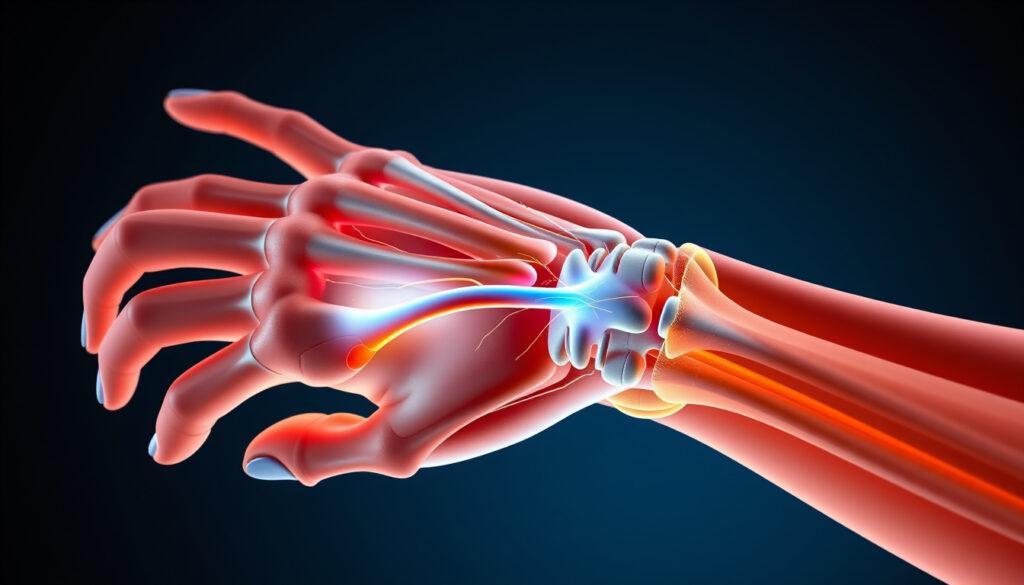
Carpal Tunnel Syndrome – Symptoms Causes Diagnosis Treatment
Carpal tunnel syndrome is one of the most common nerve disorders, affecting an estimated 3 to 6 percent of adults worldwide. The condition develops when pressure builds on the median nerve as it passes through a narrow passageway on the palm side of the wrist called the carpal tunnel. This compression can trigger a range of symptoms, from mild tingling to significant hand weakness, and it tends to worsen over time without appropriate intervention.
Understanding the causes, recognizing early warning signs, and knowing what treatment options exist can make a meaningful difference for those experiencing discomfort. While the condition has long been associated with repetitive computer work, research shows that many factors contribute to its development, including genetics, underlying health conditions, and anatomical differences. This guide provides a comprehensive look at carpal tunnel syndrome, drawing on established medical sources to separate fact from fiction.
What Is Carpal Tunnel Syndrome?
The carpal tunnel is a narrow canal roughly an inch wide located on the palm side of the wrist. This tunnel protects the median nerve—the main nerve responsible for sensation and movement in the thumb and first three fingers—as well as several tendons that bend the fingers. When swelling or other factors narrow this space, pressure increases on the median nerve, disrupting its normal function.
The resulting condition, known as carpal tunnel syndrome, produces characteristic symptoms that typically develop gradually and may affect one or both hands. According to the Cleveland Clinic, women are approximately three times more likely to develop the condition than men, and symptoms most commonly appear in adults between the ages of 45 and 60.
Carpal tunnel syndrome is a form of nerve compression neuropathy, not a muscle or joint problem. This distinction matters for both diagnosis and treatment approaches.
Key Facts at a Glance
| Category | Details |
|---|---|
| Affected Population | 3–6% of adults globally |
| Gender Risk | Women 3x more likely than men |
| Peak Age Range | 45–60 years old |
| Occupational Link | Estimated 10–20% of cases |
| Typical Onset | Gradual, worsening over weeks to months |
| Surgical Success Rate | 70–90% for severe or persistent cases |
Common Misconceptions
One persistent myth holds that typing or computer use alone causes carpal tunnel syndrome. While prolonged repetitive hand movements can aggravate symptoms, medical evidence indicates that the condition is multifactorial. Genetics, pre-existing health conditions, and anatomical differences in wrist structure often play more significant roles than workplace activities alone, as noted by the American Academy of Orthopaedic Surgeons.
Symptoms of Carpal Tunnel Syndrome
Symptoms of carpal tunnel syndrome typically begin insidiously and may fluctuate in intensity. The condition often affects the dominant hand first, though it can develop bilaterally. Understanding the progression from early signs to advanced symptoms helps individuals recognize when professional evaluation becomes necessary.
Early Signs
Initial symptoms often emerge during activities that require sustained wrist flexion or extension, and many people first notice problems at night. The Mayo Clinic describes several hallmark early indicators:
- Numbness or tingling affecting the thumb, index finger, middle finger, and the thumb-side half of the ring finger—the pinky typically remains unaffected
- Burning sensations or a “pins and needles” feeling that may radiate from the wrist toward the arm
- Electric shock-like sensations that come and go, particularly when gripping objects
- Dry skin or swelling in the affected fingers due to nerve involvement
Advanced Symptoms
Without intervention, symptoms typically progress and may include:
- Weakness in the hand that makes fine motor tasks difficult, such as buttoning clothing or holding small objects
- Dropping things more frequently due to decreased grip strength
- Muscle wasting at the base of the thumb, which may become permanent if nerve compression continues
- Symptoms that begin interfering with sleep as the condition advances
If you experience persistent numbness, weakness, or pain that affects your daily activities, consider scheduling an evaluation with a healthcare provider. Early diagnosis and treatment typically lead to better outcomes.
Causes and Risk Factors
Carpal tunnel syndrome develops when the carpal tunnel space narrows or when tissues surrounding the median nerve swell, increasing pressure within the confined space. Several mechanisms can trigger this compression, and most cases involve a combination of factors rather than a single cause.
Primary Causes
The underlying mechanisms that lead to median nerve compression include:
- Swelling and inflammation of the tendon sheaths that pass through the carpal tunnel, often resulting from repetitive strain or overuse
- Anatomical narrowing of the tunnel itself, which may be congenital or develop following wrist fractures, dislocations, or arthritis
- Fluid retention during pregnancy, menopause, or from thyroid disorders, which can temporarily increase pressure within the tunnel
- Growths or tumors within the carpal tunnel, though these are relatively uncommon
Risk Factor Categories
| Category | Specific Factors |
|---|---|
| Demographic | Female sex; age over 40; hereditary small carpal tunnels |
| Occupational | Repetitive gripping; vibrating tools; forceful manual labor |
| Medical Conditions | Diabetes; rheumatoid arthritis; hypothyroidism; obesity |
| Lifestyle and Other | Pregnancy (up to 60% affected); wrist injuries; certain medications |
Research published in peer-reviewed medical literature indicates that certain occupations carry elevated risk, particularly those involving repetitive hand movements, sustained wrist flexion, or exposure to vibrating equipment. Workers in construction, meat processing, assembly line work, and keyboard-intensive roles face higher incidence rates, though occupational factors alone rarely account for the full picture. For more detailed information on risk factors and prevention strategies, the National Institute of Neurological Disorders and Stroke provides authoritative guidance.
Diagnosis Methods
Diagnosing carpal tunnel syndrome involves a combination of clinical evaluation, symptom assessment, and diagnostic testing. Healthcare providers typically begin by reviewing medical history and performing a physical examination before ordering confirmatory tests.
Physical Examination
During the initial assessment, physicians may use specific clinical tests to evaluate median nerve function:
- Tinel’s test: Tapping gently over the median nerve at the wrist produces tingling or electric shock sensations in affected fingers
- Phalen’s test: Holding the wrists in forced flexion for 60 seconds triggers or worsens symptoms
- Durkan’s test: Direct compression of the median nerve for up to 30 seconds reproduces characteristic symptoms
The examination also assesses thumb strength, muscle bulk at the thenar eminence, and sensation across the hand to determine the extent of nerve involvement.
Common Diagnostic Tests
When clinical examination suggests carpal tunnel syndrome, physicians typically order confirmatory studies:
- Nerve conduction study (NCS): This test measures how quickly electrical signals travel through the median nerve. Prolonged latencies or reduced conduction velocities confirm median nerve compression and help distinguish carpal tunnel syndrome from other neuropathies.
- Electromyography (EMG): Often performed alongside NCS, this test evaluates muscle electrical activity and can identify nerve damage extent.
- Imaging studies: Ultrasound or magnetic resonance imaging may be used when structural abnormalities such as tumors, bone spurs, or synovial swelling are suspected, according to Johns Hopkins Medicine.
Consider scheduling an appointment if numbness persists for more than a few weeks, symptoms interfere with sleep or daily activities, or you notice weakness or muscle wasting in your hand or thumb.
Treatment Options
Treatment approaches for carpal tunnel syndrome depend on symptom severity and duration. Healthcare providers typically recommend conservative measures first, progressing to surgical intervention only when necessary. For those taking medications that may affect inflammation or fluid retention, understanding potential medication side effects can be an important part of comprehensive care.
Non-Surgical Treatments
For mild to moderate cases, non-operative strategies often provide meaningful relief:
- Wrist splinting: A neutral-position wrist splint worn at night prevents flexed sleeping positions that increase tunnel pressure. This approach represents the most commonly recommended first-line treatment and can be effective on its own for many patients.
- Anti-inflammatory medications: Nonsteroidal anti-inflammatory drugs (NSAIDs) such as ibuprofen may reduce pain and inflammation, though they address symptoms rather than underlying compression.
- Corticosteroid injections: Local steroid injections into the carpal tunnel can decrease inflammation and provide temporary or longer-term symptom relief for some patients.
- Activity modification: Adjusting work techniques, taking regular breaks, and avoiding positions that exacerbate symptoms supports recovery.
Surgical Options
When conservative measures prove insufficient or nerve damage is severe, surgery may be recommended. The Cleveland Clinic notes that carpal tunnel release surgery involves cutting the transverse carpal ligament to relieve pressure on the median nerve. Two primary surgical approaches exist:
- Open release: A single incision in the palm allows direct visualization and division of the transverse carpal ligament.
- Endoscopic release: Smaller incisions and a tiny camera guide the procedure, potentially allowing faster initial recovery.
Both procedures are typically performed as outpatient surgeries with success rates ranging from 70 to 90 percent for severe or persistent cases.
Recovery Expectations
Recovery timelines vary based on treatment approach and individual factors:
- Non-surgical treatment: Many patients experience symptom improvement within several weeks of consistent splinting and activity modification.
- Post-surgical recovery: Immediate pain relief is common, though full strength typically returns over one to three months. Heavy hand use should be avoided initially, and some patients—particularly those in manual labor occupations—may require targeted rehabilitation before returning to demanding work.
Prevention and Exercises
While not all cases of carpal tunnel syndrome can be prevented, certain strategies may reduce risk or minimize symptom progression. The National Health Service recommends several practical approaches for maintaining wrist health.
Daily Exercises
Gentle exercises performed regularly may help maintain flexibility and support nerve health:
- Wrist flexor stretches: Extend your arm with palm facing up, then gently pull fingers downward with the opposite hand until you feel a stretch along the inner forearm.
- Wrist extensor stretches: Reverse the position with palm facing down and gently pull fingers toward the body.
- Tendon glides: Starting with fingers extended, make a fist, then extend again; repeat slowly through the full range of motion.
- Nerve gliding exercises: These controlled movements help the median nerve move more freely within the carpal tunnel.
Exercises should be performed gently and discontinued if they cause pain. Consulting a physical therapist or healthcare provider for personalized guidance ensures proper technique and appropriate intensity.
Workplace Adjustments
For those whose work involves repetitive hand movements, the following adjustments may help:
- Take frequent short breaks to rest hands and change positions
- Maintain neutral wrist posture—avoiding extreme flexion or extension
- Use padded tools and ergonomic equipment designed to reduce strain
- Position keyboards at appropriate heights to minimize wrist stress
- Consider ergonomic assessments for persistent workplace discomfort
Weight management and proper treatment of underlying conditions such as diabetes, thyroid disorders, or rheumatoid arthritis can influence carpal tunnel syndrome risk. Addressing these factors as part of overall health maintenance is advisable.
Recovery Timeline
The natural course of carpal tunnel syndrome typically involves progressive worsening without treatment, though individual trajectories vary considerably based on underlying causes and contributing factors.
Typical Progression
- Early stage (weeks): Intermittent tingling and numbness, often worse at night or with specific activities
- Moderate stage (months): Symptoms become more persistent; grip strength may decrease; dropping objects becomes more frequent
- Advanced stage: Constant numbness; visible muscle wasting at the thumb base; significant functional impairment
- Post-treatment: Gradual or rapid symptom improvement depending on intervention and nerve damage extent
Early intervention generally leads to better outcomes. Once significant muscle wasting occurs, some degree of permanent weakness may persist even after successful nerve decompression, according to research published in peer-reviewed medical literature.
What We Know and What Remains Unclear
Medical science has established a solid understanding of carpal tunnel syndrome’s mechanisms, diagnosis, and treatment, yet certain aspects continue to be studied.
| Established Information | Areas of Ongoing Research |
|---|---|
| Median nerve compression causes symptoms | Precise thresholds for surgical vs. conservative care |
| Demographic factors influence risk | Optimal exercise protocols for prevention |
| Surgery effective for severe cases (70–90%) | Long-term outcomes across different surgical techniques |
| Underlying conditions contribute significantly | Genetic factors and their interaction with environment |
| Nighttime symptoms common | Role of modern technology in symptom development |
Understanding the Broader Context
Carpal tunnel syndrome exists within a spectrum of repetitive strain injuries and nerve compression conditions affecting the upper extremities. While often discussed alongside conditions like tennis elbow or tendinitis, carpal tunnel syndrome is fundamentally different in that it involves nerve tissue rather than muscles or tendons.
The relationship between carpal tunnel syndrome and arthritis deserves particular attention. Many people assume these conditions are synonymous, but they represent distinct pathological processes. Arthritis involves joint inflammation and cartilage breakdown, while carpal tunnel syndrome results from pressure on a nerve within a confined space. However, the two conditions can coexist, as inflammatory arthritis may narrow the carpal tunnel secondarily, and rheumatoid arthritis specifically can worsen carpal tunnel symptoms through tendon inflammation.
The economic and occupational impact of carpal tunnel syndrome remains substantial, with the condition accounting for significant healthcare spending and work-related disability claims annually. Research continues to explore better prevention strategies, particularly for high-risk occupations and the growing population of remote workers who may have less-than-optimal home office setups.
Expert Sources and Perspectives
Several major medical organizations provide authoritative information on carpal tunnel syndrome, each contributing unique perspectives based on clinical experience and research.
Carpal tunnel syndrome occurs when the median nerve, which runs from the forearm into the palm of the hand, becomes pressed or squeezed at the wrist. The median nerve controls sensations to the palm side of the thumb and fingers, as well as impulses to some small muscles in the hand that allow the fingers and thumb to move.
The symptoms of carpal tunnel syndrome may range from mild to severe and may be intermittent or constant. They usually develop gradually, often starting with numbness or tingling that comes and goes.
Healthcare providers with specialties in neurology, orthopedics, physical medicine, and occupational therapy commonly evaluate and treat carpal tunnel syndrome. The most appropriate specialist depends on individual circumstances, symptom severity, and whether surgical intervention is being considered.
Key Takeaways
Carpal tunnel syndrome results from compression of the median nerve within the wrist’s carpal tunnel, producing characteristic symptoms including numbness, tingling, pain, and weakness in the thumb and first three fingers. The condition affects approximately 3 to 6 percent of adults, with women and individuals over 45 at elevated risk.
While often attributed solely to computer use, carpal tunnel syndrome has multiple contributing factors including genetics, anatomical differences, underlying health conditions, and occupational exposures. Diagnosis typically involves clinical examination and nerve conduction studies, with treatment ranging from conservative measures like wrist splinting to surgical release procedures with high success rates.
Early recognition and appropriate intervention generally lead to better outcomes. For those experiencing symptoms, consulting a healthcare provider for proper evaluation and personalized treatment recommendations represents the most appropriate first step. For additional information on related health topics, see our guide to medication side effects or our skincare product comparison.
Frequently Asked Questions
Can carpal tunnel syndrome go away on its own?
Mild cases may improve with rest and activity modification, but most cases require some form of treatment. Without intervention, symptoms typically worsen over time.
How long does carpal tunnel syndrome take to heal?
Recovery varies widely. Mild cases may improve within weeks of conservative treatment, while post-surgical recovery typically requires one to three months for full strength to return.
Is carpal tunnel syndrome the same as arthritis?
No. Carpal tunnel syndrome involves nerve compression, while arthritis involves joint inflammation. The conditions can coexist but are fundamentally different.
Does carpal tunnel syndrome affect both hands?
It can affect one or both hands. When bilateral symptoms occur, underlying systemic factors like pregnancy or thyroid disease may be contributing.
When should I see a doctor for carpal tunnel syndrome?
Seek medical evaluation if symptoms persist for more than a few weeks, interfere with sleep or daily activities, cause weakness, or if you notice muscle wasting in your thumb.
What is carpal tunnel syndrome surgery like?
The procedure, called carpal tunnel release, involves cutting the transverse carpal ligament to relieve nerve pressure. It is typically performed outpatient with local or regional anesthesia.
Can exercises help carpal tunnel syndrome?
Gentle stretching and nerve gliding exercises may improve mobility and support recovery when performed appropriately. However, they should complement rather than replace medical treatment.
More related posts
 One Piece FAQ: Age Rating, LGBTQ, and Streaming
 Keira Knightley Movies and TV Shows: Full List & Streaming
 Time in Malaysia: Current Time, Zone, and Ireland & UK Difference
 Forrest Frank Loses 30K Followers Over Charlie Kirk Comment
 Terry White Chemist: Locations, Products & Online Guide
 Peggy Gou Biography: Age, Net Worth, and Career Facts
 Apple Watch Bands – Sizes and Compatibility Guide
 Tom Selleck: Health, Career, Net Worth, Latest News