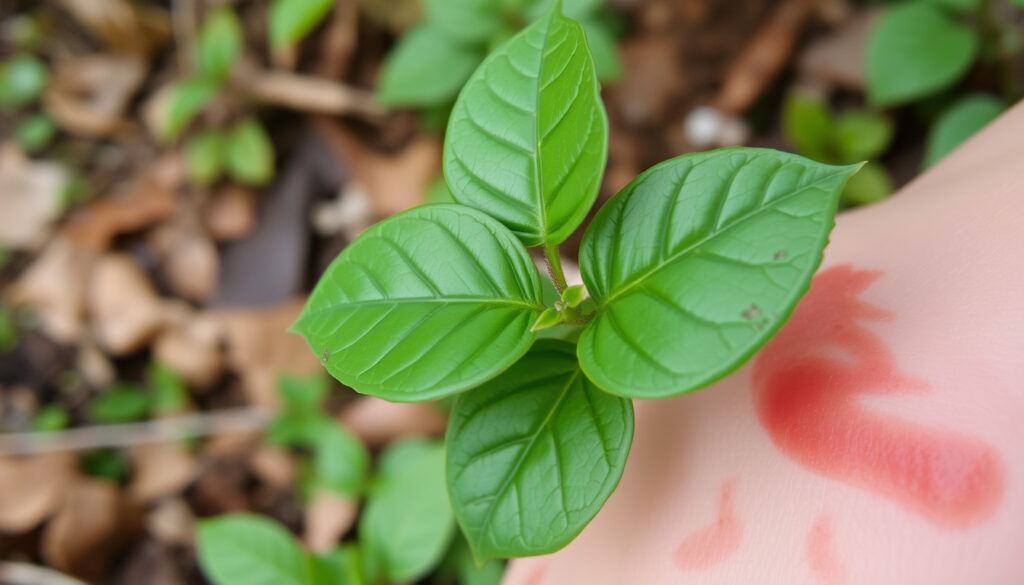
Poison Ivy: Identification, Rash, and Treatment
If you’ve ever brushed against a seemingly innocent leaf and ended up with an itchy, blistering rash, you may have met poison ivy, but not every ivy deserves that reputation—common ivy and Irish ivy are harmless to the skin. This guide unpacks what poison ivy really is, where it grows, how to treat its rash, and why you won’t find it in Ireland or the UK.
Scientific name: Toxicodendron radicans · Active allergen: Urushiol oil · Native range: East Asia and North America · Rash onset: 12–72 hours after contact · Affected population: Up to 85% of people are allergic
Quick snapshot
- Allergenic plant in genus Toxicodendron (Geisinger (health system))
- Native to East Asia and North America (U.S. FDA (federal regulatory agency))
- Contains urushiol oil that causes rash (Cleveland Clinic (major U.S. hospital system))
- Not native to Ireland or the UK (U.S. FDA (federal regulatory agency))
- Common in North America and parts of Asia (U.S. FDA (federal regulatory agency))
- Often confused with harmless ivy species (Irish Wildlife Trust (Irish conservation nonprofit))
- Allergic contact dermatitis (Cleveland Clinic (major U.S. hospital system))
- Red, itchy bumps and blisters (American Academy of Dermatology (professional dermatology organization))
- Not life-threatening but very uncomfortable (U.S. FDA (federal regulatory agency))
- Wash skin immediately with soap and water (American Academy of Dermatology (professional dermatology organization))
- Apply calamine lotion or hydrocortisone (U.S. FDA (federal regulatory agency))
- Seek medical help for severe reactions (Cleveland Clinic (major U.S. hospital system))
Five key facts, one takeaway: poison ivy is distinct from the ivy in your garden, and knowing the difference can save you a miserable week.
| Fact | Detail |
|---|---|
| Scientific name | Toxicodendron radicans (U.S. FDA (federal regulatory agency)) |
| Active irritant | Urushiol oil (Cleveland Clinic (major U.S. hospital system)) |
| Native range | East Asia, North America (U.S. FDA (federal regulatory agency)) |
| Rash onset | 12–72 hours (Cleveland Clinic (major U.S. hospital system)) |
| Allergy prevalence | Up to 85% of people (Cleveland Clinic (major U.S. hospital system)) |
| Leaf pattern | Three leaflets (“Leaves of three, let it be”) (Prisma Health Urgent Care (healthcare provider)) |
Is there poison ivy in Ireland?
Where is poison ivy native to?
Poison ivy (Toxicodendron radicans) is native to East Asia and North America, according to the U.S. FDA (federal regulatory agency). It does not naturally occur in Ireland, and its establishment there is not documented.
What ivy species grow in Ireland?
Ireland is home to Irish ivy (Hedera hibernica) and common ivy (Hedera helix). The Irish Wildlife Trust (Irish conservation nonprofit) describes Irish ivy as an evergreen woody climber found on trees, walls, old buildings, hedges, and as dense ground cover in shaded areas. Neither species contains urushiol, so they do not cause the classic poison ivy rash.
For anyone in Ireland who has ever eyed an ivy-covered wall and wondered, the answer is clear: poison ivy is not part of the landscape. The ivy you see is harmless to the skin.
The implication: seekers of poison ivy in Ireland will not find it—but travelers to North America should learn to identify the real threat.
What does poison ivy do to humans?
What causes the poison ivy rash?
The rash is triggered by urushiol, an oil present in the plant’s leaves, stems, and roots. The Cleveland Clinic (major U.S. hospital system) explains that urushiol can remain on skin, clothes, tools, and pet fur, causing dermatitis after contact.
What are the symptoms of poison ivy exposure?
Symptoms include red, itchy bumps, swelling, and blisters. The American Academy of Dermatology (professional dermatology organization) notes the rash typically appears 12–72 hours after contact. The U.S. FDA (federal regulatory agency) adds that the rash usually resolves in several weeks without treatment, though over-the-counter remedies ease discomfort.
Because urushiol can linger on surfaces, touching a contaminated jacket or gardening tool days later can still cause a reaction. The Cleveland Clinic (major U.S. hospital system) warns that washing such items is essential.
What this means: the rash is not contagious from person to person (the fluid in blisters does not contain urushiol), but indirect contact via objects is a real risk.
Do you get poison ivy in the UK?
Is poison ivy found in the United Kingdom?
Poison ivy is not native to the UK. The U.S. FDA (federal regulatory agency) describes its range as the United States (except Alaska, Hawaii, and parts of the West Coast); there is no evidence of established populations in Britain.
What similar plants are in the UK?
Common ivy (Hedera helix) is widespread in the UK and is often mistaken for poison ivy. The SSISC (invasive species council) reports that English and Irish ivy occupy disturbed areas, fields, parks, and forest edges. Unlike poison ivy, they lack urushiol and are safe to touch.
The pattern: gardeners in the UK may see ivy everywhere, but it’s almost certainly the harmless kind. The risk of encountering true poison ivy in the UK is virtually zero.
What is poison ivy famous for?
Why is poison ivy well-known?
Poison ivy’s fame comes from its ability to cause an intensely itchy, blistering rash upon contact. The Geisinger (health system) notes it can grow as a vine, shrub, or ground cover, making it easy to brush against unknowingly. Its “leaves of three” pattern is a widely taught identification clue.
Is poison ivy also a DC Comics character?
Yes, Poison Ivy is also a popular DC Comics villain. But the plant’s notoriety is rooted in real-world misery—millions of people in North America deal with its rash each year. The U.S. FDA (federal regulatory agency) states it is found throughout most of the continental United States.
The trade-off: the plant’s fame is earned through genuine harm, but it also makes for a memorable cultural reference.
How poisonous is ivy?
Is Irish ivy toxic?
Irish ivy (Hedera hibernica) is mildly toxic if ingested but does not cause skin rash like poison ivy. The Irish Wildlife Trust (Irish conservation nonprofit) classifies it as a common native species without urushiol. The same applies to common ivy (Hedera helix).
What’s the most toxic plant to humans?
Poison ivy is not typically lethal but causes severe dermatitis. More toxic plants exist (e.g., hemlock, castor bean), but poison ivy’s widespread presence in North America makes it the plant most people encounter. The American Academy of Dermatology (professional dermatology organization) notes that up to 85% of people are allergic to urushiol.
Why this matters: for the average person, poison ivy is the most relevant poisonous plant they’ll meet—not because it’s the deadliest, but because it’s so common and so reliably irritating.
How to treat poison ivy rash: A step-by-step guide
The first 30 minutes after contact are critical. The American Academy of Dermatology (professional dermatology organization) emphasizes that washing with soap and water immediately can remove urushiol and reduce the severity of the reaction.
- Remove contaminated clothing and wash skin – Use rubbing alcohol or soap and water. The American Academy of Dermatology (professional dermatology organization) says washing within 30 minutes can prevent or minimize the rash.
- Rinse tools, clothing, and gear – The Cleveland Clinic (major U.S. hospital system) advises washing everything that touched the plant, including pet fur, because urushiol can persist for years on surfaces.
- Apply cool compresses or soak in cool water – The U.S. FDA (federal regulatory agency) recommends this for itching relief.
- Use over-the-counter creams – Calamine lotion, zinc acetate, zinc oxide, and hydrocortisone cream can dry oozing lesions and reduce inflammation (U.S. FDA (federal regulatory agency)).
- Seek medical help for severe cases – If the rash covers large areas of the body, affects the face or genitals, or causes severe swelling, a doctor may prescribe oral steroids like prednisone (Cleveland Clinic (major U.S. hospital system)).
The trade-off: prompt washing is your best defense—but even with the best home care, the rash can take one to two weeks to subside (Cleveland Clinic (major U.S. hospital system)).
Confirmed facts
- Poison ivy is not native to Ireland or the UK (U.S. FDA (federal regulatory agency))
- Urushiol oil causes the rash (Cleveland Clinic (major U.S. hospital system))
- Washing within 30 minutes can reduce severity (American Academy of Dermatology (professional dermatology organization))
What’s unclear
- Exact prevalence of poison ivy in private gardens in the UK is unknown
- Long-term effects of repeated exposure are not fully documented (Cleveland Clinic (major U.S. hospital system))
- Timing of rash onset may vary; some sources suggest 12-48 hours (Ivarest (consumer product guide))
Expert perspectives on poison ivy
“Poison ivy rash is caused by urushiol, an oil that can remain on skin, clothes, tools, and pet fur and trigger dermatitis after contact.”
Cleveland Clinic (major U.S. hospital system)
“Poison ivy generally has leaves in groups of three, a key field mark summarized by the phrase ‘leaves of three, let it be.'”
“Poison ivy can grow as a vine, shrub, or ground cover depending on region and habit.”
For Ireland and UK readers, the implication is clear: the ivy climbing your garden wall is safe to touch—but if you’re traveling to North America, learn the “leaves of three” rule and pack soap for a quick post-hike wash. Poison ivy will not ruin your holiday if you know what to look for, and what to wash.
For readers seeking a deeper look at poison ivy, this guide addresses common misconceptions about its treatment and geographic myths.
Frequently asked questions
Can poison ivy rash spread from person to person?
No, the rash itself is not contagious. Urushiol oil must contact the skin to cause a reaction; the fluid in blisters does not contain urushiol (Cleveland Clinic (major U.S. hospital system)).
How long does a poison ivy rash last?
Most rashes resolve within one to two weeks. Severe cases may last longer (Cleveland Clinic (major U.S. hospital system)).
Is poison ivy contagious after washing?
Once urushiol is washed off, the person is no longer contagious to others. But unwashed clothing or tools can still cause reactions (American Academy of Dermatology (professional dermatology organization)).
What should I do if I get poison ivy in my eye?
Flush the eye immediately with lukewarm water for 15 minutes and seek emergency medical care. Do not rub (U.S. FDA (federal regulatory agency)).
Can pets spread poison ivy oil?
Yes. Urushiol can cling to pet fur, and brushing against the animal can transfer the oil to humans. Bathe the pet with pet-safe soap if it runs through poison ivy (Cleveland Clinic (major U.S. hospital system)).
Does poison ivy die in winter?
Poison ivy loses its leaves in winter, but urushiol remains active in the stems and roots year-round—so even bare vines can cause a rash (Geisinger (health system)).
Is burning poison ivy dangerous?
Extremely. Urushiol particles become airborne in smoke and can cause severe lung inflammation and skin rashes. Never burn poison ivy (U.S. FDA (federal regulatory agency)).
Related reading: Golden Cane Palm Care Guide · School Holidays 2027: Complete Guide to Ireland and UK Dates
More related posts
 McKenna Grace: Biography, Relationships, Health, and Name Origin
 Phoebe Dynevor: Marriage, Bridgerton Exit & Career in 2025
 Fyodor Dostoevsky: Biography, Books, and Philosophy Guide
 Shark Stain Striker Review: Worth It? Comparison & FAQ
 Japanese Prime Minister Sanae Takaichi Takes Office
 Inside Out: Emotions, Psychology, Sequels Explained
 Carpal Tunnel Syndrome – Symptoms Causes Diagnosis Treatment
 Wooden Chopping Boards: Wood Types, Hygiene & Care