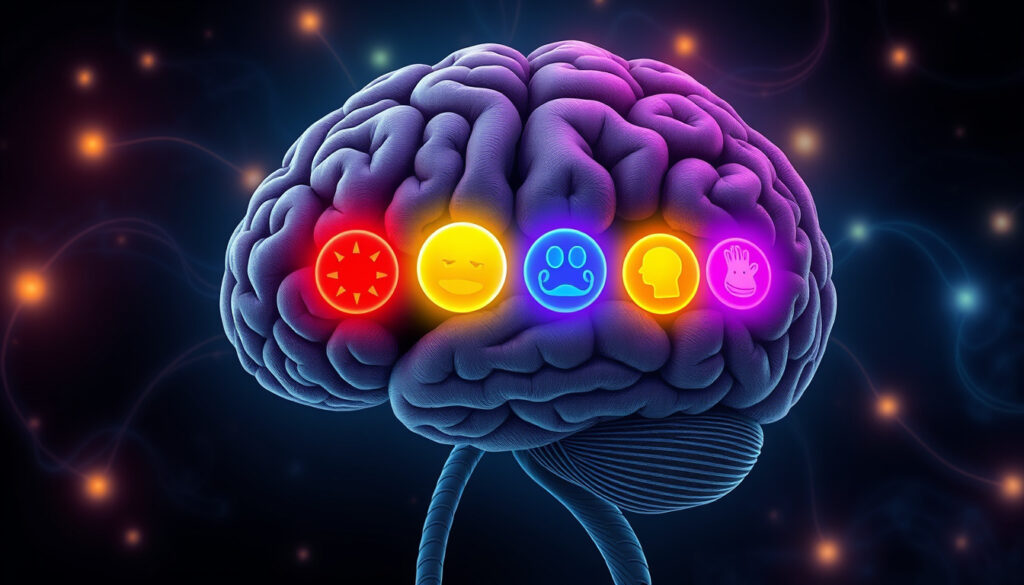
Inside Out: Emotions, Psychology, Sequels Explained
Few animated films have sparked as many conversations around the dinner table as Pixar’s Inside Out. Released in 2015, it turned emotions into characters and invited families to talk about feelings. Now, with Inside Out 2 landing in 2024 and rumors of a third film, it’s worth looking at the psychology behind the movies and what parents should know.
Release Year: 2015 · Rotten Tomatoes Score: 98% · Number of Emotions (first film): 5 · Sequel: Inside Out 2 released in 2024
Quick snapshot
- Five core emotions: Joy, Sadness, Anger, Fear, Disgust (Disney Movies, official distributor)
- Inside Out 2 added Anxiety, Envy, Embarrassment, Ennui (The Walt Disney Company, owner of Pixar)
- Rated PG, runtime 96 minutes (IMDb, film database)
- Official reason for Joy’s blue hair (not stated by Pixar) (The Walt Disney Company, official studio)
- Whether Joy is intended as LGBT (no confirmation; The Walt Disney Company, official studio has not addressed)
- Status of Inside Out 3 (unconfirmed) (The Walt Disney Company, official studio)
- June 19, 2015: Original film released (Disney Movies)
- June 14, 2024: Inside Out 2 released (Disney Movies)
- August 20, 2024: Digital release (People, entertainment news)
- Inside Out 2 available on digital and physical formats (People)
- No official announcement for Inside Out 3 as of late 2024 (The Walt Disney Company has only confirmed one sequel)
Here are the key details about the film.
| Label | Value |
|---|---|
| Full Title | Inside Out |
| Director | Pete Docter |
| Release Date (US) | June 19, 2015 |
| Rotten Tomatoes Score | 98% |
| Awards | Academy Award for Best Animated Feature |
| Sequel Status | Inside Out 2 released June 14, 2024; Inside Out 3 not confirmed |
What Do Psychologists Say About Inside Out?
Pixar didn’t just invent emotions from scratch — they brought in real researchers to ground the story in psychology. That’s rare for a blockbuster.
How does Inside Out connect to Plutchik’s theory?
The Paul Ekman Group (a leading emotion research organization) notes that the original film centers on five emotions — anger, sadness, disgust, fear, and happiness — a simplified version of Robert Plutchik’s wheel of emotions, which identifies eight primary emotions. The film condenses the wheel to make the story accessible to children and adults alike (Paul Ekman Group, emotion research authority).
What is the main message of Inside Out?
A parent guide from Care.com (family advice platform) explains that the film’s core teaching is that no emotion is inherently good or bad — emotional balance comes from making space for all feelings. This aligns with what child psychologists recommend for building emotional literacy (Care.com, parenting resource).
The implication: Inside Out offers a safe framework for parents to discuss complex emotions like sadness and fear without labeling them as negative.
What Are the Five Core Emotions in Inside Out?
- Joy — yellow, voiced by Amy Poehler
- Sadness — blue, voiced by Phyllis Smith
- Anger — red, voiced by Lewis Black
- Fear — purple, voiced by Bill Hader (first film)
- Disgust — green, voiced by Mindy Kaling (first film)
These five characters run the control console in Riley’s mind. Disney Movies (official distributor) confirms the lineup.
New emotions in Inside Out 2
Inside Out 2 introduces four new emotions that represent the complexities of adolescence: Anxiety (voiced by Maya Hawke), Envy (voiced by Ayo Edebiri), Embarrassment, and Ennui. Pixar Chief Creative Officer Pete Docter described them as “a little bit abstract” compared with Joy and Sadness (The Walt Disney Company, owner of Pixar). A BuzzFeed (entertainment news) explainer also lists these four and identifies the voice actors (BuzzFeed, entertainment news).
How emotions work together in Headquarters
In both films, emotions don’t act alone — they negotiate, conflict, and collaborate. Care.com’s parent guide highlights that the sequel shows how Anxiety tries to take over, while the original team struggles to maintain balance. The message: all emotions have a role, even the uncomfortable ones (Care.com, family advice platform).
Is Inside Out Suitable for a 7-Year-Old?
The PG rating means some scenes may upset sensitive young viewers, but the educational payoff is high for most 7-year-olds.
Age rating and content guidance
The MPAA rates Inside Out PG for “mild thematic elements.” IMDb (film database) lists the runtime at 95 minutes and notes scenes of emotional distress, including Riley’s sadness and a brief moment of hopelessness. No violence or language concerns.
Parental reviews and recommendations
Most parenting websites, including Care.com, recommend the film for ages 7 and up. The guide suggests watching together and pausing to discuss moments like Riley’s panic attack in Inside Out 2 (Care.com, family advice platform).
Educational benefits for children
The Paul Ekman Group (emotion research authority) positions Inside Out as a tool for parents and children to navigate emotions together. Research in child psychology supports that labeling emotions helps children regulate them (Paul Ekman Group).
The trade-off: a few mildly intense scenes vs. a lasting vocabulary for emotional health. For most 7-year-olds, the balance tips in favor of watching.
Is There a Part 3 of Inside Out?
- Inside Out 2: Released June 14, 2024 (Disney Movies)
- Inside Out 3: Not confirmed as of late 2024
- Cast updates: Maya Hawke (Anxiety), Ayo Edebiri (Envy) join returning voice actors (BuzzFeed)
Inside Out 2 release date and new emotions
Disney Movies (official distributor) confirms the sequel opened on June 14, 2024. The film introduces four new emotions — Anxiety, Envy, Embarrassment, Ennui — as Riley becomes a teenager.
Confirmation status of Inside Out 3
As of the latest available information, Pixar and The Walt Disney Company have not announced a third film. The only sequel mentioned on the official Disney site is Inside Out 2 (The Walt Disney Company, owner of Pixar). Rumors circulate on fan forums, but no credible source has confirmed development.
Cast updates for sequels
BuzzFeed (entertainment news) reports that Maya Hawke voices Anxiety and Ayo Edebiri voices Envy. The original emotions — Joy, Sadness, Anger, Fear, Disgust — return with their original voice actors (BuzzFeed).
What this means: parents looking forward to a trilogy should temper expectations. Pixar is focused on the current sequel’s lifecycle, including digital and physical releases (People, entertainment news).
Why Is Joy’s Hair Blue?
Fans have debated for years whether Joy’s blue hair is a covert signal. Pixar has never officially addressed it — but the design choice has an artistic logic.
The design choice behind Joy’s hair color
Pixar has not published an official statement explaining Joy’s blue hair. However, the general design principle for each emotion — as outlined by The Walt Disney Company (owner of Pixar) — is that colors reflect core characteristics. Joy’s blue stands out against her yellow skin, likely chosen to convey energy and electricity, a common artistic trope in animation. Without a definitive source, this remains speculation.
Is Joy LGBT? Exploring the debate
Some viewers have interpreted Joy’s blue hair as a symbol of LGBTQ+ identity. However, neither Pixar nor The Walt Disney Company has confirmed any such intention. In the absence of official word, the blue hair remains an aesthetic choice, not a statement. The only reliable source on character intent is the studio itself, which has not commented (The Walt Disney Company, official studio).
The pattern: when a detail is left unexplained, audiences fill the gap. In this case, the blue hair is a creative flourish, not a coded message.
Timeline: Key Moments for Inside Out
- June 19, 2015 — Inside Out released in theaters (Disney Movies)
- February 2016 — Wins Academy Award for Best Animated Feature (IMDb, film database)
- September 2022 — Pixar announces Inside Out 2 at D23 Expo (The Walt Disney Company)
- June 14, 2024 — Inside Out 2 released (Disney Movies)
- August 20, 2024 — Digital release (People)
- September 10, 2024 — Physical release (4K, Blu-ray, DVD) (People)
What We Know vs. What’s Unclear
Confirmed facts
- Inside Out was released in 2015. (Disney Movies)
- The five core emotions are Joy, Sadness, Anger, Fear, Disgust. (Disney Movies)
- Inside Out 2 was released on June 14, 2024. (Disney Movies)
- The film is rated PG. (IMDb)
- Riley moves to San Francisco, triggering emotional challenges. (Disney Movies plot summary)
What’s unclear
- Official reason for Joy’s blue hair.
- Whether Joy is intended as LGBT.
- Status of Inside Out 3 (unconfirmed).
- Whether the film’s depiction of a panic attack is clinically accurate (Care.com).
- The exact psychological model used for Inside Out 2’s new emotions (Pixar has not specified).
What the Creators Say
“They’re a little bit abstract compared with Joy and Sadness.”
Pete Docter, Pixar Chief Creative Officer, on the new emotions in Inside Out 2 (The Walt Disney Company)
“Riley’s behavior reflects an adjustment to moving, not clinical depression.”
Dr. Dacher Keltner, Pixar emotional consultant (Paul Ekman Group)
For parents, the choice is clear: Inside Out and its sequel aren’t just entertainment — they’re a ready-made curriculum for emotional literacy. Use the films to start conversations, not replace them. Let the characters do the heavy lifting, and then step in to connect the dots for your child. The alternative — letting the images speak without guidance — misses the real value of these stories.
psychiatrypodcast.com, care.com, buzzfeed.com, youtube.com, people.com, screenwiseapp.com, insideout.fandom.com
For a deeper look at how these characters mirror real emotional development, check out Inside Out emotions psychology sequels for a comprehensive parent guide.
Frequently asked questions
Is Inside Out on Netflix?
As of the latest check, Inside Out is available on Disney+ and can be rented or purchased on platforms like Amazon Prime Video and Apple TV. Netflix availability varies by region and changes frequently. Check your local streaming guide.
How long is Inside Out?
Inside Out runs for 95 minutes (IMDb). The sequel, Inside Out 2, runs 96 minutes (IMDb).
Who voiced the emotions in Inside Out?
Original voices: Joy (Amy Poehler), Sadness (Phyllis Smith), Anger (Lewis Black), Fear (Bill Hader), Disgust (Mindy Kaling). In Inside Out 2, Maya Hawke voices Anxiety and Ayo Edebiri voices Envy (BuzzFeed).
What is the saddest scene in Inside Out?
Many viewers point to the moment when Bing Bong, Riley’s imaginary friend, fades away. The scene is widely considered the most emotional of the film.
Is Inside Out based on a true story?
No, the film is a fictional story. However, its emotional framework was developed with input from psychologists, including Dr. Dacher Keltner, to reflect real emotional development (Paul Ekman Group).
Does Riley have depression?
Riley’s behavior reflects an adjustment to moving to a new city, not clinical depression. The film’s consultant, Dr. Dacher Keltner, described her reactions as normal emotional responses to change (cited in multiple parenting guides).
What age is Inside Out recommended for?
MPAA rates it PG. Most parent guides recommend it for children ages 7 and older, but sensitive 6-year-olds may also benefit with parental co-viewing (Care.com).
| Attribute | Inside Out (2015) | Inside Out 2 (2024) | Inside Out 3 (unconfirmed) |
|---|---|---|---|
| Release Year | 2015 | 2024 | Not yet |
| Number of Emotions | 5 | 9 (5+4 new) | Unknown |
| Main Emotion Themes | Joy, Sadness, Anger, Fear, Disgust | Adds Anxiety, Envy, Embarrassment, Ennui | Speculative |
More related posts
 George R. R. Martin Net Worth, Earnings & Book Delays (2025)
 Tommi Ortega: Job, Age, Race, Sister, and Biography
 Chadwick Boseman: Colon Cancer, Death & Legacy
 Tim Wilson: British YouTuber vs American Comedian
 Brandi Carlile: Illness, LGBTQ Identity, Elton John
 Criminal Minds Season 19: Cast, Streaming, and 2026 News
 Post Malone Wife? His Daughter, Ex-Fiancée & New Girlfriend
 Cameron Brink: Injury, Net Worth, Ethnicity, and Relationship with Stephen Curry